Cable Wine Systems Guide to Designing a Wine Wall That Enhances Your Space
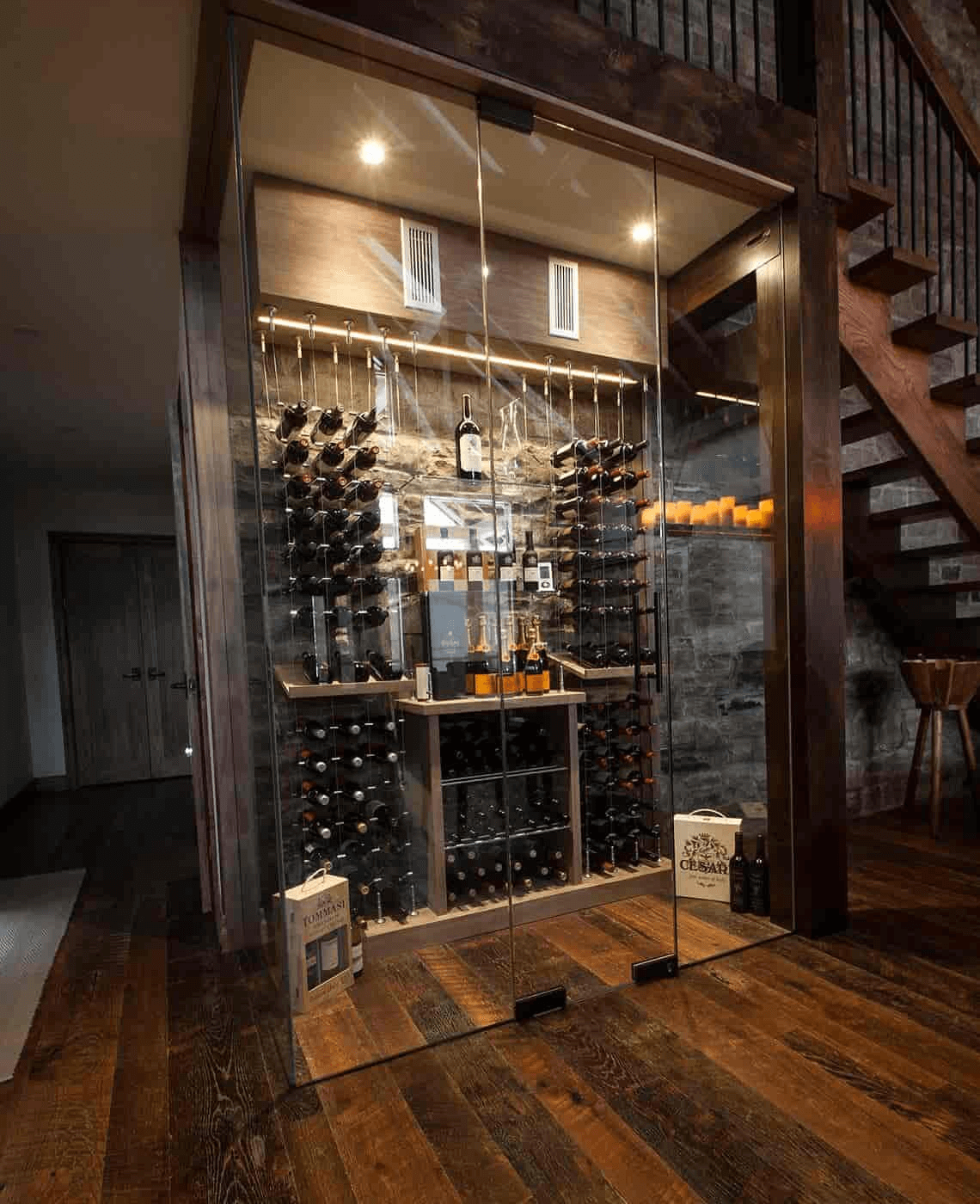
A successful wine wall design transforms a standard partition into a sophisticated architectural feature that balances aesthetic beauty with structural integrity. Unlike traditional cellars that prioritize high-density storage in enclosed rooms, a modern wine wall is designed to be a visual focal point, seamlessly integrating a collection directly into the living environment without overpowering the existing decor.
By prioritizing minimalist components and intentional layout choices, homeowners and designers can create a display that serves both as a functional wine room and a high-end design feature. To achieve this, one must look beyond simple shelving and consider how transparency, scale, and lighting interact within a given space.
Wine Walls as Architectural Elements
In contemporary interior design, the wine wall has transitioned from a utility-focused area to a vital architectural element. When planned correctly, these displays do more than just hold wine bottles; they redefine the flow of a home.
For architects and interior designers, a wine wall often functions as a visual anchor. It provides a focal point in an open-concept layout, drawing the eye toward the textures of the glass, the liquid, and the labels. This is particularly effective in large rooms where a massive blank surface can feel cold or uninspired. By introducing a custom wine wall, the surface gains depth and character.
Furthermore, wine walls are increasingly used as spatial dividers. A glass-enclosed, floor-to-ceiling wine wall can effectively separate a dining area from a living space while maintaining visual connectivity. This transparency is crucial in modern design, as it allows light to pass through the home while providing a clear physical boundary between functional zones. Rather than building a solid wall, a suspended bottle display creates a sense of openness and luxury.
Choosing the Right Location for Maximum Impact
Selecting the ideal location is the most important step in the planning process. The placement affects the visibility of the wine collection, the necessary climate control requirements, and the overall scale of the project.
Living and Dining Spaces
The most common locations for a modern wine display wall are areas dedicated to entertaining. Placing a wine wall in the dining room ensures that the collection is easily accessible for service while acting as a backdrop for dinner parties. In the living room, a wine wall can be integrated into wood cabinets or a marble backsplash to complement other high-end finishes.
Entryways and Stairwells
For those looking to make a grand first impression, an entryway wine wall is an excellent choice. It sets a tone of hospitality and innovation immediately upon entering the home. Similarly, an Under-The-Stairs Wine Cellar makes use of often-neglected wall space. Because of the unique angles involved, these locations often require custom-made wine racks or floor-to-ceiling mounted wine rack systems to navigate the varying ceiling heights.
Environmental Considerations
While aesthetics are paramount, practicality cannot be ignored. A location that receives direct sunlight can be detrimental to storage conditions. When selecting a site, experts advise considering the proximity to windows and heat sources. If the wall is intended for long-term preservation rather than just short-term presentation, integrating a commercial-grade cooling unit and insulated wine cellar doors becomes a necessity.
Layout and Proportion: The Key to Design Authority
The difference between a cluttered rack and a professional architectural wine storage unit lies in layout and proportion. Achieving a balanced visual rhythm requires careful consideration of spacing and symmetry.
Vertical vs. Horizontal Arrangements
A vertical wine storage layout is ideal for narrow spaces or when the designer wants to emphasize the height of a room. This arrangement draws the eye upward and can make a standard ceiling feel taller. Conversely, a horizontal wine wall design works well for long expanses, such as a feature wall behind a tasting table or a long hallway.
Spacing and Scale
One common mistake is failing to account for the scale of the wall relative to the bottle density. Overcrowding can turn a luxury feature into a visual mess. Providing enough space between rows allows the bottles to breathe and makes the labels easier to read. For an ultra modern wine rack, the spacing should be consistent and intentional, creating a grid-like precision that appeals to the eye.
Symmetry and Balance
A custom project should always seek symmetry. Whether using a Fusion ST Cork-Out Wine Wall or a Fusion HZ Label Out Wine Wall, the alignment of the bottle holders must be exact. Using 3D renderings during the design phase can help a client visualize how the spacing will interact with other elements like tiles, stone walls, or architectural wall panels.
Bottle Orientation and Display Logic
How a bottle is positioned dictates how a guest interacts with the collection. There are two primary schools of thought: Cork-Out and Label-Out.
Label-Forward Display
The label-forward display is the hallmark of modern wine racking solutions. It allows for a vintage label to be seen clearly, turning the wine into art. This orientation is highly functional for the collector as well, as it permits quick inventory checks without having to disturb the bottle. In a glass wine cellar, label-out arrangements provide a high-contrast visual that looks spectacular against backlighting or LED light panels.
Cork-Out Display
A Cork-Out orientation, such as that seen in the Fusion ST series, is often used for higher-density storage. While it offers a more traditional silhouette, it can still look incredibly contemporary when used within a stainless steel wine rack or the Ring floor-to-ceiling cable racking system. This approach is often favored in commercial settings or larger private homes where the volume of the collection is significant.
Integrating Cable Wine Systems Into the Design
When it comes to executing a wine wall that enhances architecture, Cable Wine Systems offers a distinct advantage by minimizing visual clutter. Most traditional metal wine racks or wall-mounted wine racks use heavy frames that can distract from the surrounding materials.
Minimizing Visual Clutter
The beauty of a cable system lies in its transparency. By using thin, high-tension cables, the structure virtually disappears, allowing the wine bottles to appear as if they are floating. This “suspended wine cellar” look is a favorite among architects working with glass wine cellar doors and glass-enclosed rooms.
Compatibility with High-End Materials
Because the system is minimalist, it integrates seamlessly with a wide range of luxurious materials. Whether your design features rift-sawn white oak, Black American walnut, or Nature Plus Textured Panels, the stainless steel and chrome components of the cable system will not compete for attention. It is also highly compatible with diverse surfaces like marble, leather veneers, or acrylic towers.
Lighting Integration
Lighting elements are essential for a dream wine cellar. Cable systems work exceptionally well with backlighting and LED light panels because there are no bulky shelves to cast unwanted shadows. The light passes through the glass and liquid, creating a shimmering effect that enhances the overall experience of the room.
Common Design Mistakes to Avoid
To ensure a successful installation, one must avoid several frequent pitfalls that can compromise the functionality and style of the space.
- Ignoring Climate Control: Many homeowners build a beautiful wine display wall only to find their wine spoils because of poor storage conditions. If the collection is valuable, always consult a wine cooling expert about insulation, humidity levels, and the right cooling system for your specific space.
- Poor Lighting Planning: Using high-heat bulbs can damage wine and create glare on glass doors. Opt for cool-burning LED options that provide a clean presentation without raising the temperature of the wine.
- Failing to Account for Scale: A small wine rack on a massive stone wall can look lost. Conversely, a floor-to-ceiling display in a tiny pantry can feel claustrophobic. The scale of the racking should always complement the proportions of the room.
- Neglecting Accessibility: A wine wall should be easy to use. Ensure that the bottles are within reach or that the design includes a safe way to access higher rows.
Start Your Design Journey
Designing a wine wall is an opportunity to bring innovation and style into your home. By focusing on layout, location, and the right storage solution, you can create a feature that reflects your personal taste while protecting your investment.
Whether you are in Hamilton, Ontario, or Paradise Valley, the design team at Cable Wine Systems is ready to help you bring your vision to life. From initial 3D renderings to the final supply of custom wine racks, we ensure every detail aligns with your budget and aesthetic goals.
Ready to enhance your space? Reach out to our experts today to start a design request. Fill out our contact form or consult our team to see how a bespoke wine wall design can integrate seamlessly into your home.