Why Cable Wine Systems Is a Top Choice for Modern Wine Storage
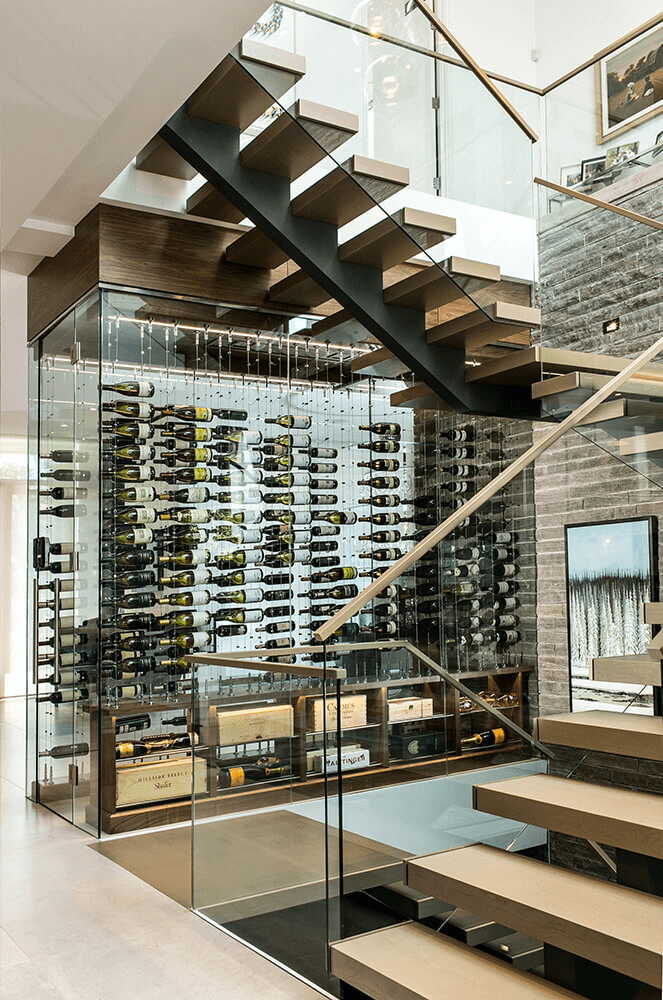
Cable Wine Systems is a top choice for modern wine storage because it combines structural strength, flexible design, and a floating aesthetic that integrates seamlessly into contemporary interiors. By utilizing high-tension stainless steel cables and precision-milled clamps, these systems offer an unobstructed view of a wine collection, ensuring that the wine bottles themselves, rather than the shelving, remain the focal point of the space.
Unlike traditional bulk wine racks that rely on heavy wood or opaque metal frames, cable-based architecture prioritizes transparency. This system is specifically engineered to handle varying collection sizes while maintaining the clean sightlines required by modern luxury aesthetics. Whether installed in a residential or high-traffic commercial wine cellar, the result is a sophisticated presentation that mimics a gallery installation.
What Defines Modern Wine Storage Today
The evolution of wine cellar design has moved away from the hidden dungeon concept toward a philosophy of visibility and integration. For the modern collector, wine is no longer just a beverage to be stored; it is a treasured décor element and a centerpiece of the home’s social experience. This shift has necessitated a move toward minimalist wine storage design that fits within the broader context of home decor and high-end architecture.
Today’s modern wine cellar serves as a bridge between a functional storage facility and a curated display. This means moving the collection into primary living spaces such as the dining room, kitchen, or even a glass-enclosed Under-The-Stairs Wine Cellar. The goal is to create a wine display that feels like an organic part of the room’s layout, rather than a bulky secondary addition.
The materials used in modern projects have also transitioned. While a diamond wood wine rack or a DIY wood wine rack system might suit a rustic farmhouse, contemporary builds demand metal wine racks, glass front cabinets, and tensioned cables. These materials reflect light better, facilitate ambient lighting, and maintain the airy feel that defines current interior trends.
The Cable-Based Advantage: Engineering the Floating Aesthetic
The primary reason cable wine systems are consistently ranked among the highest-quality wine storage solutions is their unique engineering. Most floating wine racks use wall-mounted bottle pegs or Vino Pins, which are excellent for small Wine Walls but often lack the cohesive structural vibe of a full-height cable system.
Structural Durability and Load-Bearing Precision
At its core, the system relies on vertical tension. By anchoring the framework to the floor and ceiling, the system creates a rigid, vertical grid that is incredibly stable. Each set of cables is designed to support the weight of various bottle types, from standard Bordeaux bottles to heavier magnums and wider Burgundy shapes, without bowing or sagging.
This precision engineering is what sets it apart from a standard metal wall-mounted storage unit. Each wine bottle is held by brass clamps that are tightened to a specific torque, ensuring the collection remains level and secure. This stability is vital for long-term wine aging, where any vibration or structural failure could jeopardize a significant financial investment.
Creating the Illusion of Suspension
The visual hallmark of these setups is the floating effect. By using thin-diameter cables, the structure virtually disappears when viewed from a distance. This is especially impactful in a Glass Wine Cellar, where the goal is to see through the collection to the architectural details beyond. Unlike a modular design system that might use thick interchangeable panels, the cable system allows light to flow through the entire display.
Design Flexibility and Customization
Standard Wine Racks America or VintageView kits often come in pre-set sizes, such as the W Series Wine Rack or a Display Kit. While these are effective for many applications, they can struggle with non-standard spaces. Our bespoke approach offers a degree of customization that allows it to outperform modular wine racks or a Connoisseur Freestanding Wine Rack.
Adaptability to Architectural Constraints
Because the cables can be spaced at any interval, the system can be configured for label-forward wine wall racking or a more traditional cork-out kit arrangement. This flexibility is essential for an Under-stair Wine Cellar, where the ceiling height changes with every step. The cables can be tensioned to follow the exact slope of the stairs, maximizing every square inch of available space.
Infinite Configuration Possibilities
Whether you are designing a small wine rack organizer for a custom pantry or a massive full cellar design, the system scales effortlessly.
- Horizontal Row: Ideal for low-profile displays above a built-in wine bar.
- Floor-to-Ceiling Mounted Wine Rack Display: Perfect for grand entryways or dividing a living room and dining area.
- Corner Rack: The cables can be positioned to wrap around 90-degree turns, a task that often requires expensive custom cabinetry in traditional wood systems.
The ability to mix and match finishes such as chrome, silver, or gold allows the system to match other hardware in the home, such as liquor storage handles or kitchen shelving.
Why Architects and Designers Prefer Cable Systems
In the world of high-end development, design professionals value predictability and aesthetics in equal measure. This solution provides a professional edge because it integrates so seamlessly with other building materials, such as stone, concrete, and steel.
Material Compatibility and Clean Sightlines
Architects often struggle with visual clutter. A Wall-Mounted Wine Rack made of thick wood can block natural light, making a room feel smaller. In contrast, the cable system maintains clean sightlines. When a designer creates a Wine Tasting Room, they want the focus to be on the tasting tables and the atmosphere. The wine storage should enhance that mood, not dominate it.
Precision Installation and 3D Planning
Most top-tier projects now utilize 3D software to visualize the final result. We offer a design consultation to provide a highly accurate space assessment. This ensures that the installation services team knows exactly where every anchor point will be, preventing any mid-construction surprises. This level of craftsmanship and planning is why cable systems are often specified for luxury wine rooms over DIY wine racks.
Performance: Preservation and Organization
Beyond its looks, a storage system must perform. One of the greatest technical advantages of a cable system is airflow. Traditional X-shaped bottle cubbies or diamond wood wine racks can create pockets of stagnant air, leading to uneven cooling.
In a temperature-controlled wine cellar, constant air circulation is required to maintain consistent humidity and temperature control. The open nature of the cable framework allows air to flow freely around every wine bottle, preventing hotspots and ensuring optimal wine preservation.
Label-Forward Orientation
For the serious collector, being able to see the label is a matter of convenience and pride. The Label Line approach of the cable system means you don’t have to pull bottles out to see what they are, reducing the risk of disturbing the sediment in older vintages. It turns a wine collection into a searchable library, making it easy to select the perfect bottle for tastings.
Comparative Analysis: Cable Systems vs. The Competition
To truly understand why cable wine systems is a premier choice, it is helpful to contrast its performance against other common market options.
Compared to traditional wood racking, the difference lies primarily in volume and light. Wood absorbs both, creating a heavy, traditional feel that can make a modern room feel dated. Cable systems use high-grade stainless steel that reflects light and maintains an open architectural footprint.
Against metal wall-mounted pegs, such as Vino Pins or Wine Pegs, the cable system offers a more cohesive structural narrative. While pegs are excellent for small, scattered displays, they are entirely dependent on the structural integrity of the wall they are attached to. A floor-to-ceiling cable system distributes weight vertically, providing much greater stability for large-scale collections.
Furthermore, while modular design systems or DIY wine racks offer convenience, they often feature visible frames or interchangeable panels that can look industrial or cluttered. The tensioned cable approach achieves a frameless look that is virtually impossible with freestanding units or basic shelving.
Residential Use Cases: Where Architecture Meets Passion
The versatility of the cable system allows it to transition from a purely functional storage unit to a primary piece of home decor.
The Modern Living Room
In many open-concept homes, a wine wall acts as a piece of kinetic art. Because the cables are so thin, they can be used to create a transparent wall that separates the living room from the dining area without closing off the space. Adding ambient lighting to the top or bottom of the cable run creates a dramatic glow that highlights the glass and liquid.
Under-The-Stairs Wine Cellar
Utilizing the space under a staircase is one of the most popular trends in contemporary design. Because of the awkward angles, traditional shelving often leaves significant gaps. A cable system can be installed with precision at any angle, allowing the bottles to follow the exact pitch of the stairs. This creates a high-density storage solution in what would otherwise be wasted space.
Kitchen and Tasting Areas
For those who entertain frequently, a built-in wine bar with a small cable display provides quick access to everyday essentials and prized bottles alike. It keeps the kitchen looking organized and minimalist, avoiding the cluttered look of a freestanding countertop rack or an unintegrated wine rack organizer.
Final Thoughts for the Enthusiast
Whether you are an architect designing a new estate or a collector looking to upgrade your current wine cellar, the choice of storage system is a defining decision. This approach represents the pinnacle of modern wine storage, offering a balance of aesthetic beauty and structural precision unmatched by metal wine racks or wood wine rack systems.
By choosing a system that prioritizes transparency, you ensure that your wine collection remains the star of the show. From the layout of the wine racks to the final presentation of the bottles, every element of the cable system is designed to provide a high-end, professional result.
Are you ready to transform your collection? Explore our projects or contact our team for a professional design consultation to start planning your custom cellar today.