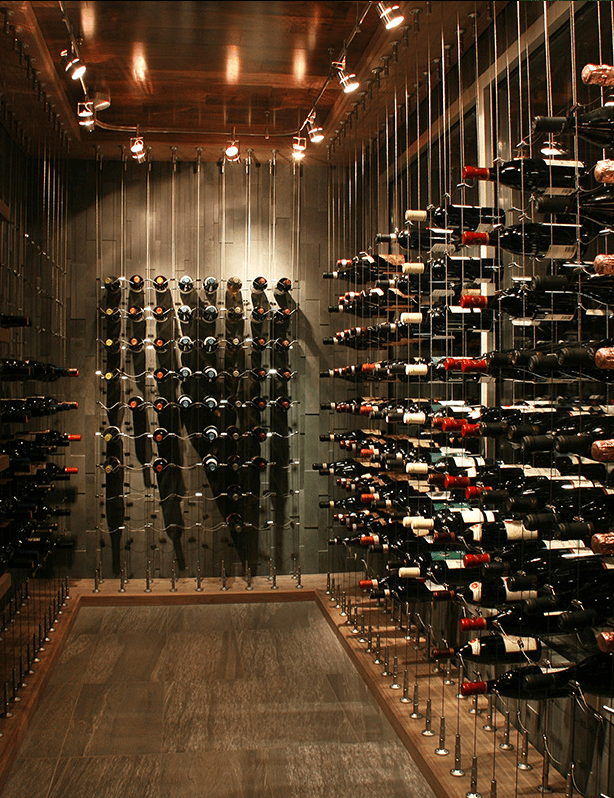
Most homes were never designed with wine in mind. If your bottles live on a kitchen counter, in a hall closet, or on a garage shelf, you are in good company, and you may also be making one or two common wine storage mistakes at home without realizing it. The good news is that none of them are hard to fix. This guide walks through the wine storage mistakes homeowners make most often, explains why each one quietly damages your wine, and shows you how to store wine properly at home. You do not need a cellar to get most of it right.
Mistake 1: Storing Wine in the Kitchen
Can you store wine in the kitchen? Not for long. The kitchen is one of the worst spots in the house for wine because it runs warm and its temperature swings all day as you cook. Heat and fluctuation are what damage wine fastest.
The ideal wine storage temperature is around 55 degrees Fahrenheit (13 degrees Celsius), with a comfortable range of 55 to 59 degrees. Once a bottle sits above 70 degrees, it ages faster than it should, and real heat can “cook” the wine, leaving it flat and dull. Consistency matters even more than the exact number. A spot that holds a steady 62 degrees beats one that bounces between 55 and 70, because every swing makes the wine expand and contract and stresses the cork seal.
The damage is real and measurable. In one two-year study, wine kept in a closet that mimicked home temperature swings lost color and antioxidants about four times faster than the same wine in a steady cellar. Your kitchen fridge is fine for a few weeks, but it is too cold and too dry for months of storage.
The garage and the basement deserve a quick word too, since they are the other spots Americans reach for. A garage is usually the worst choice of all, baking in summer and freezing in winter. A basement can actually be one of the best spots in the house, because it tends to stay cool, dark, and steady, as long as it is not damp or shared with a noisy furnace. The fix is simple: move bottles to the coolest, most stable, dark spot you have, such as an interior closet or a suitable basement corner, away from the oven and any exterior walls.
Mistake 2: Keeping Bottles Upright Instead of Horizontal
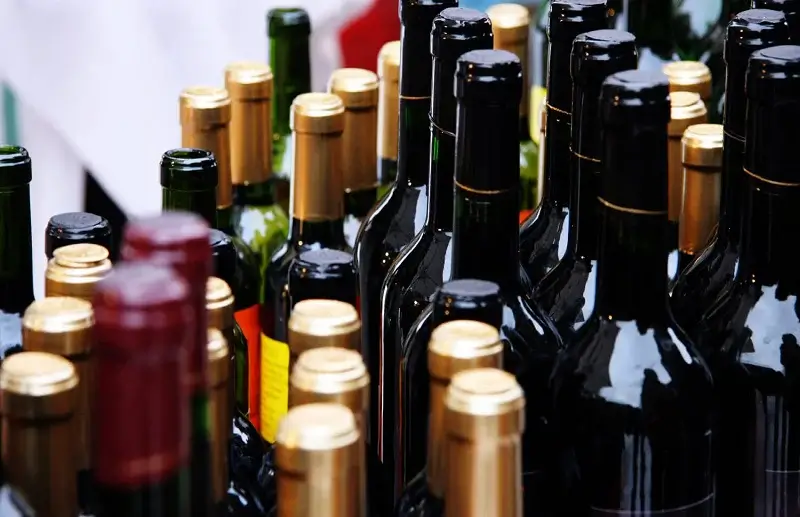
Is it okay to store wine standing upright? It depends on the closure. Bottles sealed with a natural cork should lie on their side so the cork stays moist and keeps its seal. Screw-cap bottles are perfectly fine standing up.
The most debated wine bottle storage question is whether to lay bottles down or stand them up, and the answer comes down to the cork. A cork only does its job when it stays damp. Stand a cork-sealed bottle upright for months, and the cork dries out, shrinks, and lets air seep in, which oxidizes the wine and leaves it tasting tired and sharp. Laying the bottle down keeps the wine in contact with the cork and the seal tight. Screw caps use a synthetic liner that grips the bottle rim and needs no moisture, so they can stand or lie down with no difference. There is one exception worth knowing: sparkling wine and Champagne are better stored upright, since long contact with the cork can reduce its elasticity. If you want a deeper look at how different seals behave, Cable Wine Systems covers it in their post on alternative wine closures.
The fix takes seconds. Lay your cork-sealed bottles on their sides and stand your sparkling wine up.
Mistake 3: Ignoring Humidity Levels
What humidity level is best for storing wine? Aim for 50 to 70 percent relative humidity, with about 60 percent being ideal. Too dry and the cork shrinks; too damp and you invite mold and peeling labels.
This is the quiet variable most people never check. When the air is too dry, the cork dries from the outside in, cracks, and lets oxygen reach the wine. That is a common problem in US homes during winter, when forced-air heating pulls moisture out of the air, and in arid states where indoor humidity sits low year-round. On the other hand, very humid storage rarely hurts sealed wine itself, but it grows mold and ruins labels, which matters if you ever plan to sell or gift a bottle. The fix is to avoid extremes, keep a cheap hygrometer near your bottles so you actually know your numbers, and remember that a dedicated wine fridge or cooled cabinet manages humidity for you automatically.
Mistake 4: Exposing Wine to Light, Especially UV
Does light damage stored wine? Yes. UV light triggers a reaction called lightstrike that creates off aromas often described as wet cardboard or cooked cabbage. White and rosé wines are the most vulnerable, since they have fewer tannins to protect them.
Sunlight is the biggest offender, but it is not the only one. Standard fluorescent bulbs give off a small amount of UV, too, and bottles parked under them for weeks can slowly degrade. LED lighting is the safe choice because it emits almost no UV and very little heat. Dark glass helps, which is why so many bottles are green or amber, but it is not full protection on its own. The fix is to keep wine out of direct sunlight and away from windows, and to light any open display with LEDs rather than sunlight or fluorescents.
Mistake 5: Storing Wine Near Strong Odors or Vibrations
Strong smells and constant movement are two underrated threats to home wine storage. Odors can work their way through the cork over time, and steady vibration disturbs the sediment in a bottle and can nudge the aging process along faster than you want.
That makes a few common spots risky. Storing wine next to cleaning supplies, garbage, or pungent foods can taint it through the cork. Keeping bottles on top of or beside a refrigerator, washing machine, dishwasher, or a busy speaker exposes them to a steady hum of vibration. Neither ruins wine overnight, but both add up over months and years. The fix is to choose a calm, odor-free spot away from appliances. It is also one reason a stable, wall-mounted display can be gentler on wine than a rattly rack on top of a kitchen appliance.
Mistake 6: Using the Wrong Storage System for the Collection Size
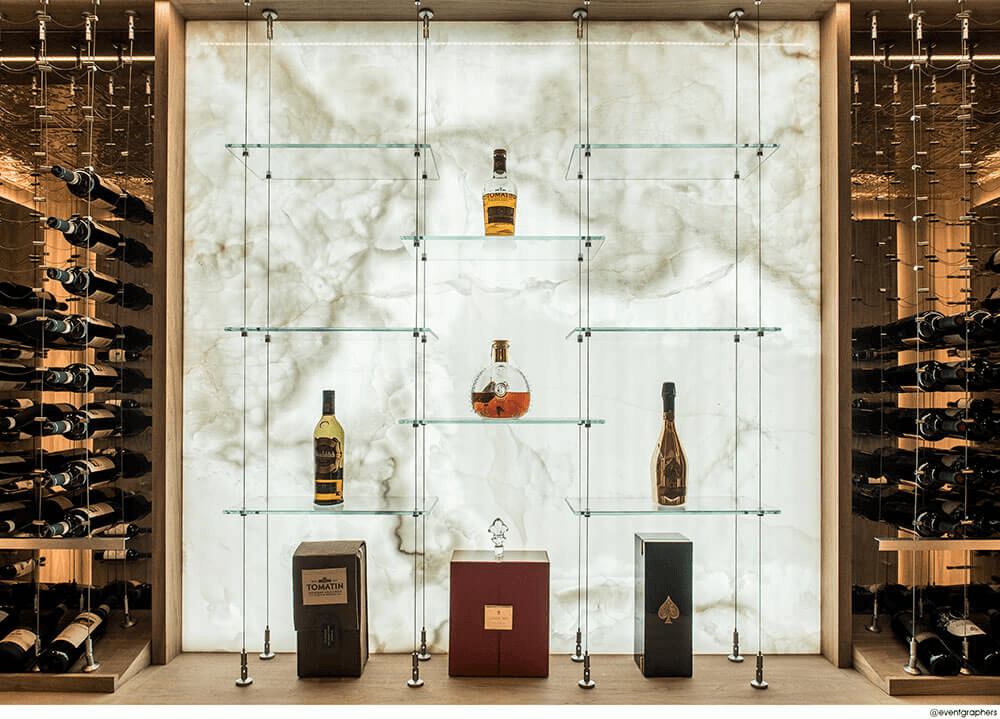
Match your storage to your collection. A countertop rack is fine for a dozen everyday bottles, but a collection that keeps growing needs a system that scales and actually protects the wine. Outgrowing your storage is one of the most common wine storage mistakes, and it usually ends with bottles stacked in boxes on a closet floor.
When that happens, bottles end up in whatever space is left, which is often the worst space: a warm garage, a sunny shelf, an upright box. The smarter move is to pick a system that can grow with you from the start. This is where a modern display earns its place. A wall-mounted cable system like Cable Wine Systems adds capacity section by section, fits tight spots a full rack never could, and keeps every bottle secure and visible. If you are weighing a display against building out a room, their FAQ answers the practical setup questions, and their guide on wine cellar organization helps once your collection grows.
Mistake 7: Treating All Wines the Same
Reds, whites, and sparkling wines do not all behave identically. They share the same storage basics, but a few details change from one style to the next, and ignoring them is an easy mistake.
For everyday storage, a steady temperature near 55 degrees works for reds, whites, and sparkling alike, so you can keep them together. The differences show up at the edges. Sparkling wine stores best standing upright, as covered earlier. Serving temperatures vary widely: sparkling is best served quite cold, whites cool, and reds just below room temperature, not warm. The mistake is letting “served warmer” turn into “stored warmer,” and parking your reds somewhere hot because you will drink them at a higher temperature. Store everything cool and steady, then adjust the temperature when you are ready to pour.
What Proper Home Wine Storage Actually Looks Like
Proper home wine storage means a cool, dark, still spot held at a steady temperature, with cork-sealed bottles resting on their sides. You do not need a cellar for any wine you plan to drink within a few years.
Put the targets together, and the picture is clear: aim for about 55 degrees Fahrenheit, 50 to 70 percent humidity, no direct light, minimal vibration, and bottles stored horizontally. Most wine sold today is made to be enjoyed within a few years and keeps perfectly well in a stable, cool, dark corner. Only genuinely age-worthy bottles need cellar-grade conditions for the long haul. For everyone else, a dedicated wine fridge or cooled spot handles the climate, while a display system keeps the collection organized, protected, and worth looking at. You can see how that looks in real homes in the Cable Wine Systems gallery.
Conclusion: Protect Your Collection With the Right Setup
Good wine storage is mostly about avoiding a handful of fixable mistakes that can damage stored wine: heat and temperature swings, dry air, light, vibration, upright corks, and outgrowing your setup. Get those right, and your wine will taste the way the winemaker intended, whether you open it next month or in a few years.
If your collection has outgrown a countertop rack and you want storage that protects your bottles and looks the part, Cable Wine Systems builds custom wall-mounted displays for exactly that. Request a quote and get a setup designed around your space and your collection.